
The Future of Robot-Assisted Surgery Closure and Trocar Efficiency
Robot-assisted surgery closure technology continues evolving as surgical platforms grow more advanced each year. Surgeons now perform procedures through single-port systems that create larger fascial defects than before. Closure devices must keep pace with these changes to protect patient outcomes going forward.
You want closure technology that keeps up with where robotic surgery is headed next. New trocar systems and single-site platforms are changing what surgeons need from a closure device. Below, you will find a look at where robot-assisted surgery closure technology is headed.
Why Robot-Assisted Surgery Closure Must Keep Evolving
Robotic platforms continue shrinking the number of incisions needed for many common procedures. Fewer incisions often mean each remaining port site carries a larger, more complex fascial defect. Robot-assisted surgery closure devices built for smaller, standard trocars struggle to handle these larger openings.
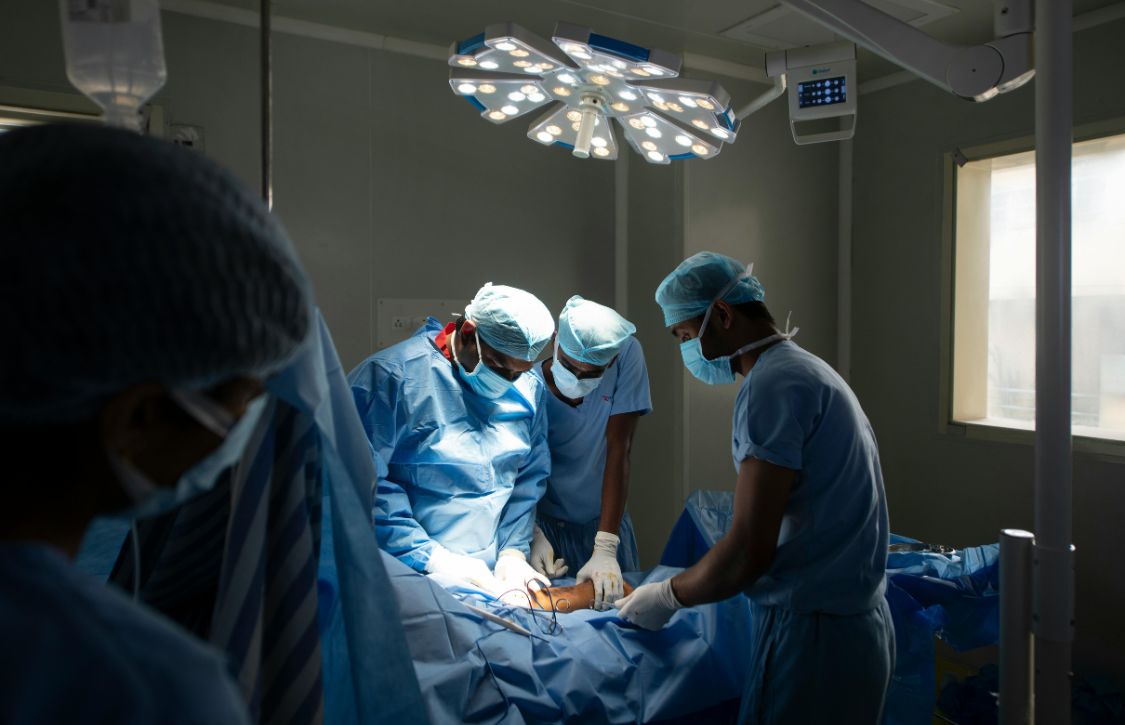
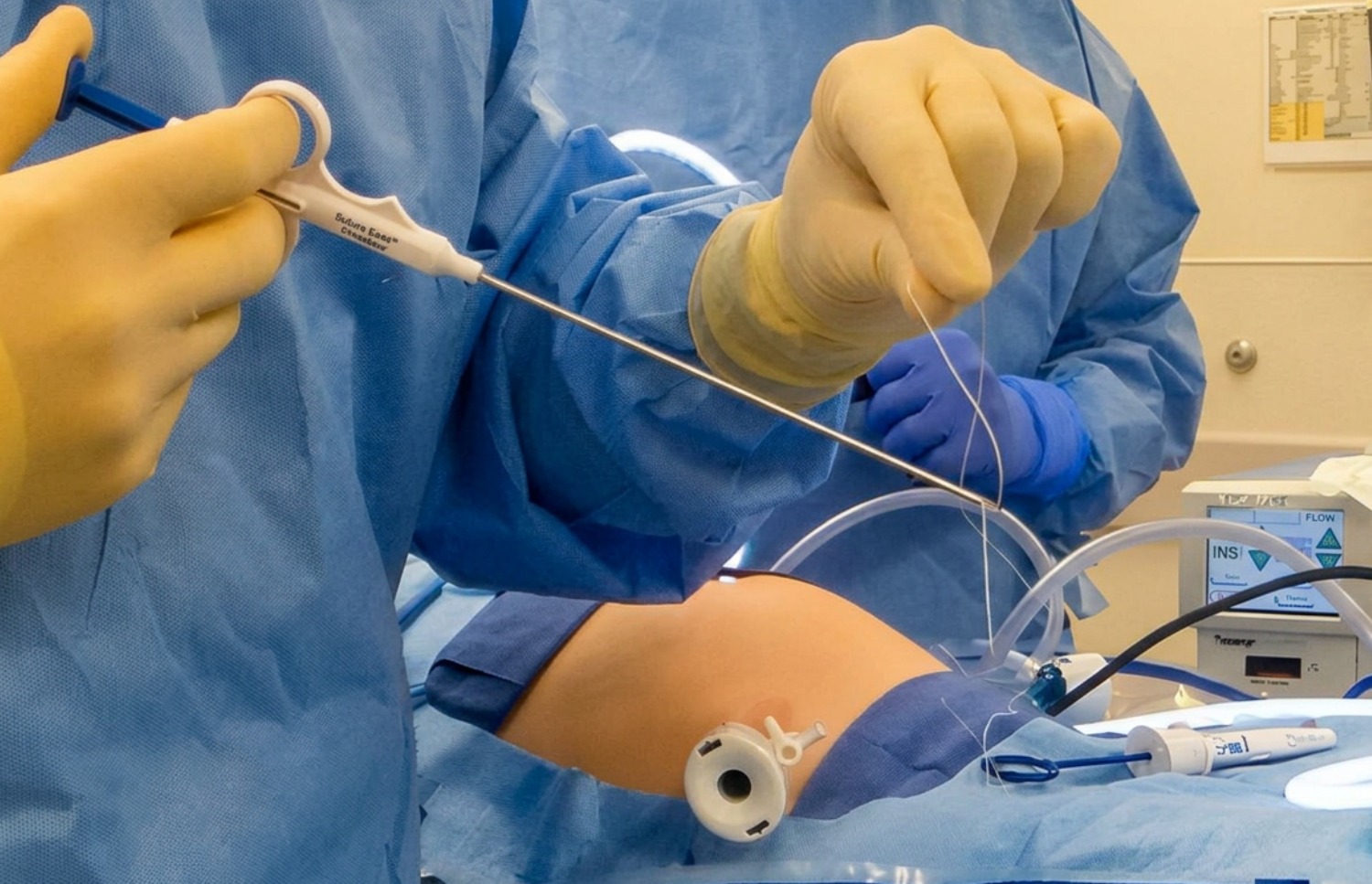
Single-port, or single-site, surgery represents one of the clearest examples of this shift in practice, with surgeons now closing defects as large as 25mm, compared to the 12mm standard of years past:
Suture Ease remains the only closure device built to accommodate defects of this expanded size.
Its adjustable guide system closes both standard and significantly larger openings with the same dependable technique.
Surgeons no longer need a separate device or workaround for single-port robotic procedures.
As robotic platforms continue evolving, closure technology needs to evolve alongside them at the same pace. Hospitals investing in newer robotic systems should evaluate their closure devices at the same time. In turn, robot-assisted surgery closure becomes a planning consideration alongside the robotic platform itself.
Emerging Trends Shaping Robot-Assisted Surgery Closure
Surgical platforms increasingly favor fewer, larger ports over multiple smaller incisions across many specialties. Such a trend places more pressure on closure technique at each remaining port site. Surgeons need devices that scale with defect size rather than forcing a workaround.
Snare loop technology already demonstrates how closure devices can adapt without adding complexity for surgeons. Retrieving suture without an extra grasping instrument keeps closure fast regardless of defect size. Meanwhile, adjustable fascial bite indicators give surgeons more control over closure for patients with varying tissue types. Such control becomes even more valuable as defects grow larger and tissue quality varies more widely. Surgeons can tailor each closure to the specific patient in front of them.
Manufacturers that anticipate these shifts position themselves well for the next generation of robotic surgery. Suture Ease continues developing its CrossBow line of closure devices around where the field is headed. Consequently, surgical teams that choose adaptable devices now avoid costly equipment gaps later on.
What Surgeons Should Expect From Next Generation Closure Devices
Surgeons should expect robot-assisted surgery closure devices that adapt to a wider range of port sizes. A single dependable device that handles both standard and expanded defects simplifies training and inventory. Hospitals benefit from carrying fewer specialized tools across their entire surgical program overall.
Training resources should also evolve alongside the devices themselves to support faster surgeon adoption. Video guides, in-service sessions, and hands-on practice all help surgeons feel confident sooner. Furthermore, closure devices should continue reducing tissue trauma even as defect sizes grow across different procedures.
Reduced trauma supports faster patient recovery regardless of how large the original defect was. Surgeons who stay informed about these trends can make better decisions when evaluating new equipment. Suture Ease shares clinical data and case studies to help surgical teams stay current.
Preparing Your Surgical Program for What Comes Next
Surgical directors can start preparing for the next wave of robot-assisted surgery closure technology now. Workflow analytics tools can help track case volume by port size and flag where larger defects already appear. Clear data makes the case for investment far stronger than a general sense of concern.
Budget conversations become easier when directors can point to specific gaps in current equipment.
Staff training should account for both current procedures and the direction the field is heading.
Surgeons trained on adaptable devices transition more easily as case types shift over time, protecting your program from another disruptive equipment change soon after.
Suture Ease partners with surgical programs planning for this kind of long-term technology shift, helping teams evaluate current equipment against where robotic surgery is headed. Preparation today protects your surgical program from falling behind the technology curve tomorrow.
Ready to Prepare for the Future of Robot-Assisted Surgery Closure?
Robot-assisted surgery closure technology must keep pace with shrinking incision counts and growing defect sizes. Suture Ease remains the only device built to close both standard and significantly expanded fascial defects. Surgical teams that adopt adaptable closure technology now stay ready for whatever comes next.
Our clinical team can walk you through how the CrossBow and LongBow systems support single-port surgery. We can also share data on how these devices perform across a range of defect sizes. Connect with Suture Ease to learn how our devices prepare your program for the future.


Comments