
Essential Strategies for Port Site Hernia Prevention in Bariatric Surgery
Port site hernia prevention becomes especially important during bariatric surgery on larger patients. Larger trocars and thicker tissue both raise the risk of future fascial defects. Surgeons need dependable closure strategies built specifically for higher-risk bariatric surgery patients today.
You want a closure technique that works regardless of trocar size or tissue thickness. New trocar systems now create larger defects that many traditional closure devices cannot handle. Below, you will find strategies that protect bariatric patients from costly post-operative complications.
Why Port Site Hernia Prevention Matters More in Bariatric Surgery
Bariatric patients carry a higher body mass index that changes how surgeons approach every closure. Thicker abdominal walls make stitch placement harder to judge without a guided technique. Port site hernia prevention therefore requires more careful technique than a standard laparoscopic case.
Excess tissue can hide the fascial layer, making manual suturing slower and less predictable overall. Surgeons risk grabbing fat or muscle instead of fascia during a rushed closure attempt.
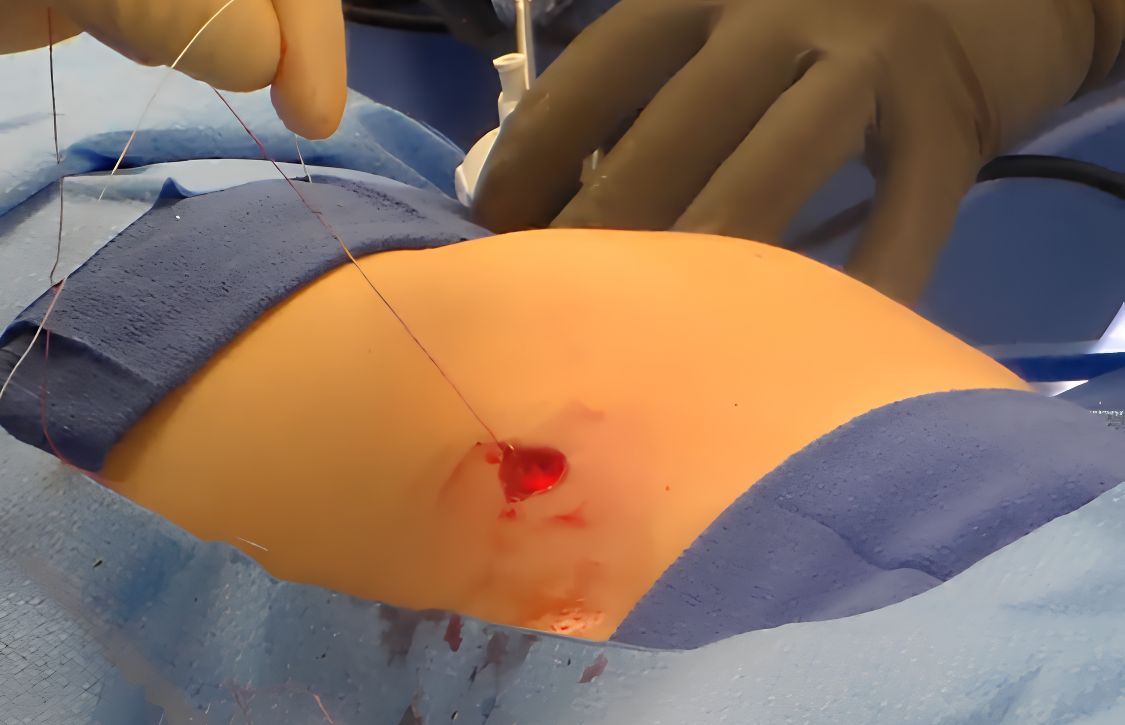
Furthermore, prolonged operative time and excessive trocar manipulation raise the risk of future hernia formation. Such factors compound quickly during longer bariatric procedures that involve multiple trocar sites. Surgeons therefore need a closure method built to handle these added surgical challenges every day.
Choosing the right device early in a case protects patients from painful post-operative complications later, since a guided approach helps surgeons place sutures accurately regardless of tissue thickness or patient size. In short, port site hernia prevention starts long before the first incision is even made.
Larger Defects, Proven Solutions: Port Site Hernia Prevention in Practice
Newer stapling systems, including the Titan Stapler, use a 19mm trocar instead of the older 12mm standard, and that larger opening creates a bigger fascial defect than traditional closure devices can handle. Surgeons using these larger staplers often find themselves without a matching closure solution, which leaves patients exposed to a higher risk of future port site complications.
Suture Ease remains the only closure device built to accommodate these larger defects, with an adjustable design that closes both standard and expanded trocar sites using the same dependable technique. As a result, port site hernia prevention no longer depends on trocar size limiting your options, and your surgical team gains one dependable device instead of juggling several separate closure tools.
How Directed Closure Technique Reduces Risk
Effective prevention starts with recognizing which trocar sites carry the greatest risk during surgery. Sites of ten millimeters or larger generally need fascial closure, so surgeons should plan their closure approach before the procedure rather than improvising mid case.
Directed fascial closure techniques place sutures at a set distance from the defect edge, helping surgeons avoid trapping subcutaneous fat or muscle within the closure itself. This directed technique has been used with twenty bariatric patients in an initial clinical evaluation, with these reported outcomes:
Zero incisional hernias recorded across the study group.
Every trocar site healed without requiring hospital readmission.
No patients needed additional narcotic prescriptions afterward.
Standardizing this approach across your surgical team supports port site hernia prevention on every single case, and repeatable technique also shortens closure time, keeping bariatric cases moving smoothly through a busy schedule. Surgical directors who track this data often see steady improvement each quarter, and sharing results with the full team keeps everyone invested in the same closure standard.
Building a Reliable Closure Protocol for Bariatric Surgery
Every bariatric surgery program benefits from a written closure protocol that every surgeon can follow. A shared protocol reduces variability between surgeons and supports better outcomes across your entire department. Nurses and surgical technicians also benefit from knowing exactly what each closure requires.
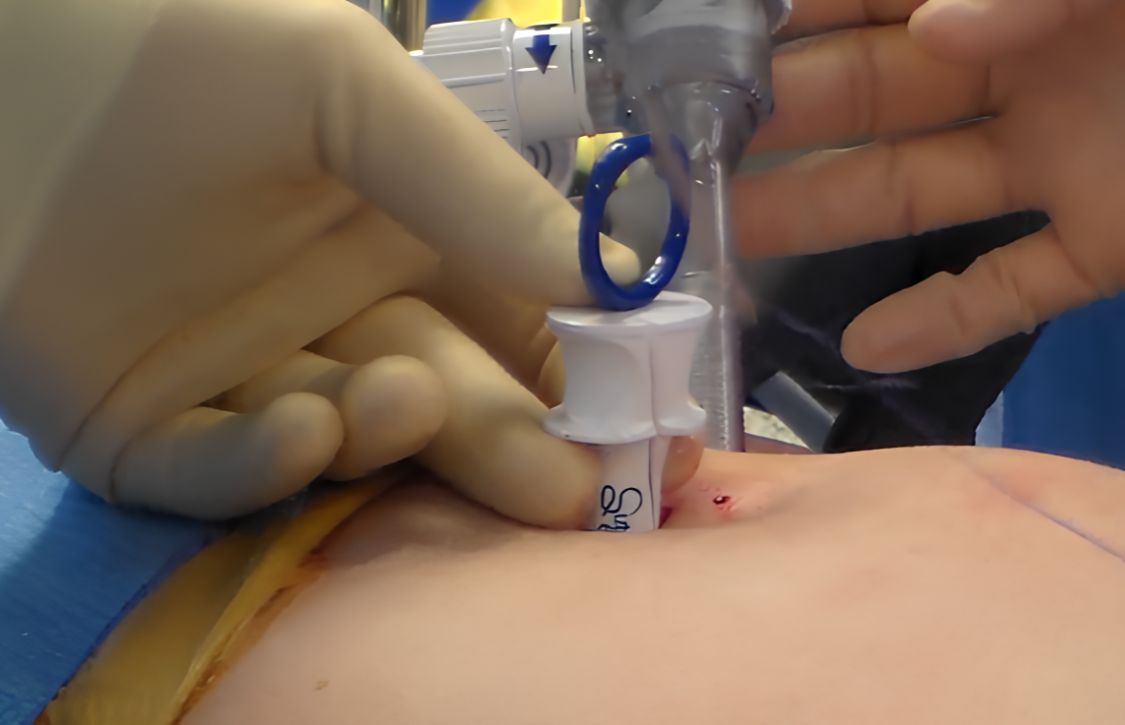
Training sessions help staff understand why closure technique changes for larger trocars and heavier patients. Hands-on practice builds confidence before surgeons face a real, high pressure bariatric case.
In addition, tracking outcomes after each case helps your team refine its port site hernia prevention protocol over time. Reviewing complication rates each quarter highlights where extra training or equipment might help most. Surgical directors can use this information to justify new equipment purchases to hospital leadership.
A strong protocol combines the right device, trained staff, and ongoing review of patient outcomes. Suture Ease supports hospitals building this kind of program from the ground up entirely.
Ultimately, a written protocol turns port site hernia prevention into routine practice instead of guesswork. Your entire surgical team benefits from a shared standard that everyone can trust completely.
Protect Your Bariatric Patients From Costly Complications
Port site hernia prevention protects patients from painful, expensive complications after bariatric surgery. Larger trocars and thicker tissue demand a closure device built for bigger surgical defects. Suture Ease remains the only device designed to close both standard and expanded port sites.
Your surgical team deserves a dependable closure protocol built around real clinical evidence. Suture Ease can help your hospital build that protocol from device selection through staff training. Contact Suture Ease to learn how our devices support safer bariatric surgery outcomes.


Comments