
Directed Fascial Closure: Addressing Postoperative Pain and Hernias in Bariatric Surgery
Laparoscopic bariatric surgery has transformed how surgeons treat morbid obesity. Yet a persistent challenge remains: managing trocar site complications after the procedure. Surgeons commonly associate 12 mm trocar sites with two concerns: postoperative pain and incisional hernias. Emerging evidence suggests that how surgeons close these sites matters significantly, and that directed fascial closure may be a key part of the solution.
The Problem With 12 mm Trocar Sites
In bariatric surgery, 12 mm trocar sites are a known source of postoperative discomfort. The tissue around these sites is under considerable stress, especially in morbidly obese patients. When closure is performed improperly, it can trap subcutaneous fat and muscle. This entrapment causes pain, restricts movement, and slows recovery.
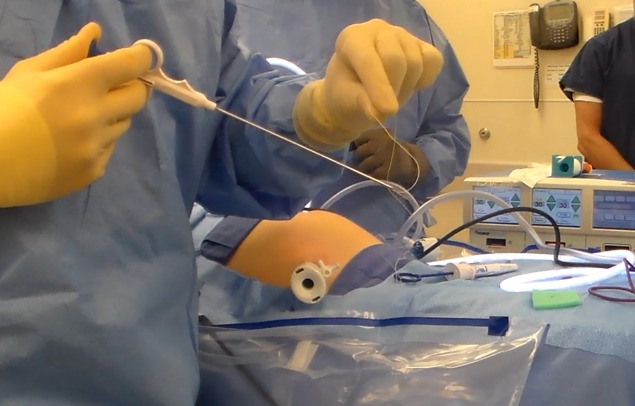
Beyond discomfort, these sites carry a real hernia risk. Incisional hernias and Richter's hernias can develop at unrepaired or poorly repaired 12 mm ports. These hernias are often difficult to diagnose. Left undetected, they can lead to serious complications, including bowel obstruction and perforation.
Why Surgeons Sometimes Skip Closure
Ironically, some surgeons choose to skip trocar site closure altogether. The intent is to reduce postoperative discomfort for the patient. However, this approach introduces a different set of risks, namely the increased likelihood of hernia formation at these unrepaired sites.
Much of the avoidance stems from frustration with conventional closure tools. Standard devices use a cone-and-needle mechanism to place and retrieve sutures. These tools do not reliably exclude subcutaneous tissue during placement. The result is inadvertent capture of fat and muscle, which contributes directly to postoperative pain.
How Directed Fascial Closure Works
Directed fascial closure takes a more precise approach. Rather than blindly placing sutures through multiple tissue layers, this method targets the fascia specifically. The surgeon positions the suture directly at the fascial level and minimizes contact with the surrounding subcutaneous tissue.
This precision matters most in morbidly obese patients, where subcutaneous tissue is abundant. A study conducted at Community Memorial Hospital evaluated this technique in 20 morbidly obese patients undergoing bariatric procedures. The device used placed sutures at an 8 mm distance from the edge of the fascial defect. The goal was accurate, centered placement within the defect itself.
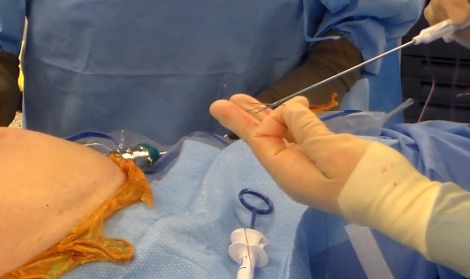
The surgeon positioned, retrieved, and tied each suture in under 90 seconds. The team did not need retrieval needles to locate or capture the sutures. The surgeon successfully closed all trocar sites under laparoscopic visualization and confirmed that closure completely resolved the air leaks.
What the Data Shows
The results from this study are worth examining closely. Twenty patients had all 12 mm trocar sites closed using a single #1 PDS interrupted suture placed with directed fascial closure technology. This included 16 one-anastomosis gastric bypass (OAGB) patients and 4 sleeve gastrectomy patients, with a total of 40 closed incisions.
Key outcomes over the 30-day follow-up period included:
Zero patients requested additional narcotic refills after discharge
No incisional hernias were recorded at any trocar site
No readmissions occurred during the study period
Only 4 out of 16 OAGB patients reported any incisional discomfort; all sleeve gastrectomy patients reported none
Physician-initiated follow-up calls were conducted at postoperative days 14, 21, and 28. Across 60 total calls, not a single patient initiated contact to request more pain medication. The data support the conclusion that fascia-directed suture placement can reduce postoperative pain issues and lower the rate of incisional hernias in bariatric surgery patients.
Precision Tools That Make It Possible
Understanding the clinical value of directed fascial closure is only part of the equation. Surgeons need reliable instruments to execute this technique consistently. This is where the right device makes a practical difference.
Suture Ease offers a dedicated line of fascial closure devices designed around this precision-first philosophy. The CrossBow device, featured in the Community Memorial Hospital study, allows surgeons to achieve accurate fascial purchase at defined distances from the defect edge. It eliminates the guesswork associated with traditional cone-and-needle tools. For cases requiring a longer reach, the LongBow device extends that same capability to anatomically challenging sites.
Suture Ease is the only company providing a complete line of closure solutions built to meet the distinct needs of each surgical case. Whether the goal is faster closure, fewer complications, or improved patient recovery, having the right tool changes the outcome.
Explore fascial closure devices at Suture Ease and see how directed closure can elevate your surgical practice. Send a message today.


Comments