
A Look at Data: Does Robotic Surgery Lower Incisional Hernia Risk?
Incisional hernia risk remains a serious concern for surgeons choosing between robotic and open procedures. New research now compares outcomes across both techniques to reveal which approach protects patients better. Understanding this data helps you make informed decisions about technique selection for your surgical practice.
You want confidence that your closure method limits complications for every patient you treat. Robotic platforms offer certain advantages, but closure technique still determines whether hernias develop later. The following data breaks down clinical evidence and shows you what actually reduces hernia formation.
Understanding Incisional Hernia Risk Across Surgical Approaches
Trocar site hernias continue to threaten patient recovery across many types of surgical procedures. Reported incidence ranges from one percent to eight percent, depending on port size and closure method. Your choice of technique at each port site directly shapes long-term patient outcomes.
In fact, ports measuring ten millimeters or larger carry a much higher documented complication rate than smaller openings. Surgeons, therefore, face real pressure to close every large port site with a reliable technique.
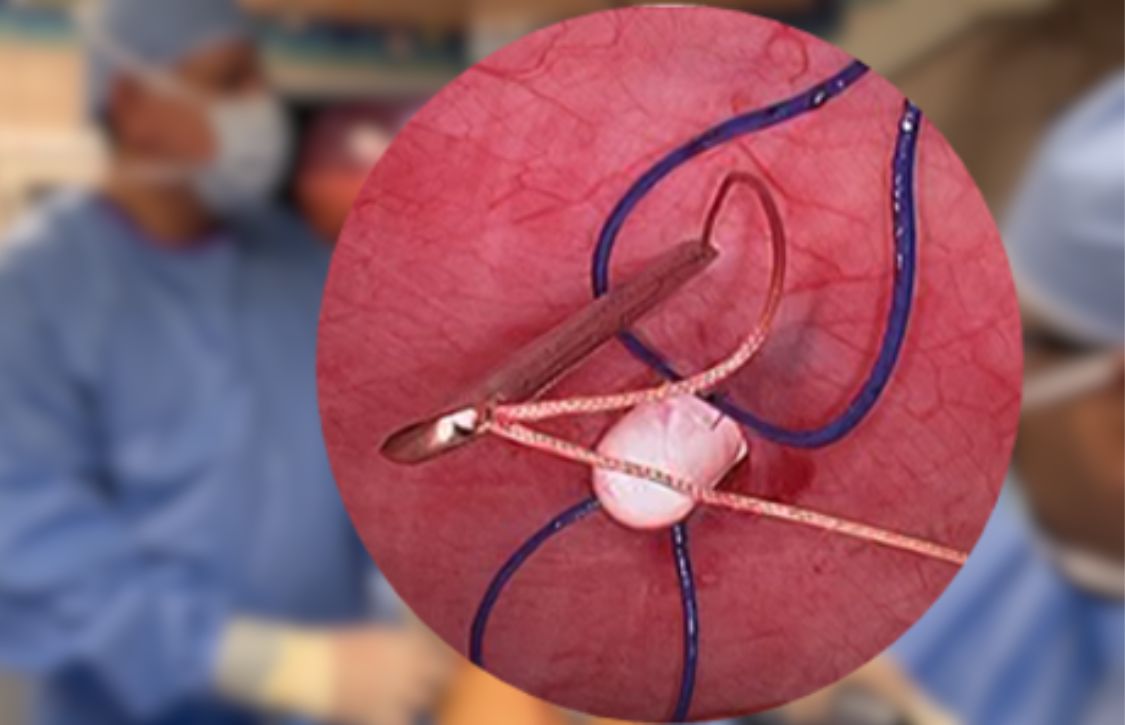
A study tracked incisional hernia rates across two trocar sizes to help surgeons weigh closure decisions. According to the study, researchers found hernias in 0.23% of ten-millimeter sites and 3.1% of twelve-millimeter sites. You should factor port size into your closure approach given this gap, especially in robotic and laparoscopic cases.
Patient factors such as obesity and prolonged operative time raise incisional hernia risk even further during surgery. Surgeons treating heavier patients, therefore, need closure methods built for larger, more demanding fascial defects. Recognizing these risk factors early helps your team plan the right closure strategy before surgery begins.
Reliable closure technique becomes even more important as trocar sizes increase during complex procedures. A dependable device protects patients regardless of body type or surgical complexity involved.
What Surgical Approach Data Reveals About Complications
Robotic surgery reduces physical strain on surgeons compared to standard laparoscopic technique, according to research presented at an ASMBS conference. Lower physical demand can translate into steadier hand movement across long, complex surgical procedures. Steadier hand movement may support better tissue handling throughout each critical surgical step of the case.
However, ergonomic benefit alone does not guarantee lower rates of hernia formation for every patient. The closure device and technique chosen at the end of a case still carry the greatest influence.
Meanwhile, surgeons continue searching for tools that combine robotic precision with dependable fascial closure. Choosing the right device, therefore, matters as much as choosing the right surgical platform for your cases. It may be suggested for hospitals that pair robotic technique with proven closure devices tend to see fewer trocar site complications overall.
Lowering incisional hernia risk requires more than a better surgical platform alone in the operating room. It stands to reason surgeons who pair robotic technique with a proven closure device protect patients more reliably over time.
Such trends appear across many hospital systems adopting robotic platforms for general and gynecologic surgery. Your team can capture these benefits by pairing robotic technique with a dependable closure device.
Reducing Incisional Hernia Risk With Modern Closure Devices
Modern fascial closure devices aim to solve the problems that hand suturing often creates during surgery. Hand suturing can take longer and produces less predictable stitch placement at each port site. A guide-assisted device can provide repeatable stitch geometry through every single case performed.
Devices built around snare loop technology retrieve suture without extra grasping instruments during closure. Such an approach promotes shortened closure time while keeping the surgeon in full control throughout.

Independent surgeons using this snare loop method rated safety, closure security, and ease of use as acceptable. Every case in the evaluation avoided injury to bowel, vessels, and other abdominal structures. Hospitals adopting these devices can address incisional hernia risk without adding operative time to each case.
Surgeons new to a device can achieve strong results after only minimal training beforehand. Such findings suggest that snare loop devices offer a fast, dependable learning curve for new users.
A quick learning curve matters greatly for busy surgical teams adopting new technology. Your hospital can reduce incisional hernia risk while keeping surgeons comfortable with a familiar workflow.
Ready to Strengthen Your Closure Protocol?
Reducing incisional hernia risk starts with choosing a closure device built for repeatable results. Hospitals that standardize their closure approach promote the opportunity for fewer complications and steadier outcomes for every patient.
Suture Ease designs closure devices that give surgeons dependable, repeatable fascial closure at port sites. Your team deserves a device that supports safer outcomes without slowing down the operating room. Contact Suture Ease today to learn how our devices can support your closure protocol.


Comments