
Evidence-Based Approaches to Reducing Trocar Site Hernia Incidence
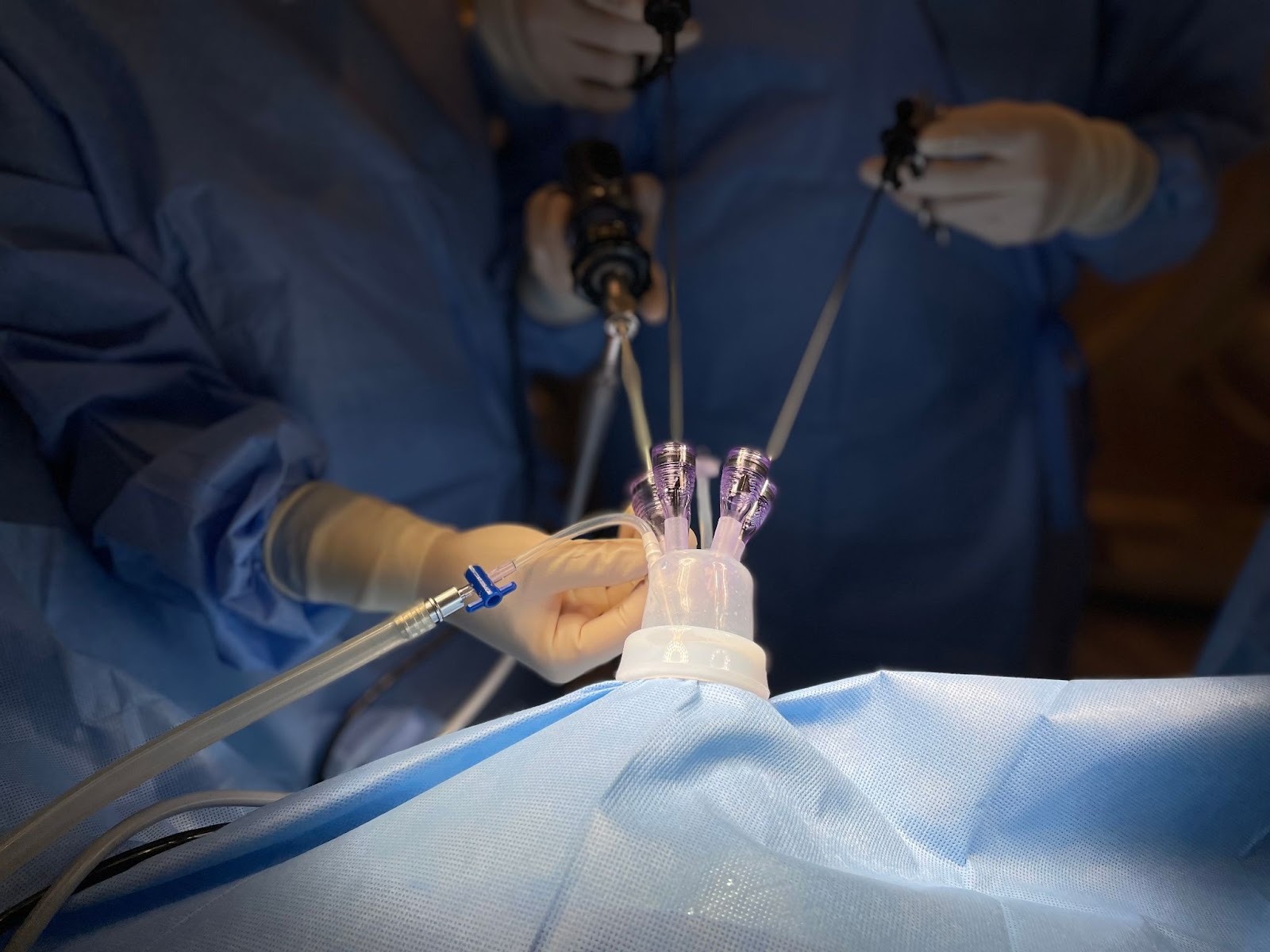
Laparoscopic and robotic cases are judged by the main procedure, but the patient also “lives” with what happens at the port sites. Trocar site hernia is a known source of morbidity, with reported incidence in the literature ranging from 1–8%, and it often requires surgical intervention once it occurs.
For surgeons, this is a closure problem worth standardizing. For hospitals, it’s a value-based care problem that shows up as readmissions, re-operations, and avoidable resource use.
What the Literature Consistently Flags as High-Risk for Trocar Site Hernia
Evidence summaries point to a clear hierarchy of risk drivers. Start with what is most controllable in the OR.
Port Size Is the First Screen
There is broad agreement that the fascia for port sites ≥10 mm should be closed due to increased herniation risk. One cited gynecologic laparoscopy study reported higher hernia incidence at 12 mm port sites when the fascia was left open (5.2%) versus closed (0.10%), a stark illustration of why “non-closure” is not a benign choice.
Patient Mix and Perioperative Factors Raise the Stakes
The literature overview also calls out the increasing number of overweight and obese patients as a real-world factor that makes closure harder with current methods. Add perioperative contributors (like prolonged procedure time and excessive trocar manipulation), and you have a recipe for higher risk exposure at the same few port sites every day.
The “Blind Closure” Trap: Where Technique Fails
Traditional closure often relies on hand suturing or basic passers. The problem is not surgeon intent, but variability.
Manual hand suturing can be time consuming and not always effective, particularly when access is limited by abdominal wall depth.
“Blind” passes increase anxiety around what’s being captured and what’s being avoided, especially when visualization is poor or pneumoperitoneum isn’t maintained.
This is where guided approaches matter: they reduce dependence on feel alone and bring the closure step back under procedural control.
Why Standardization Matters (And What “Standardization” Looks Like)
Standardization is not just “close every big port.” It’s building a repeatable closure workflow that holds up across surgeons, body types, and service lines.
Evidence Points Toward Guided Closure Improving Efficiency and Complications
In one prospective comparison of hand closure versus guide-assisted closure, the guide-assisted method took nearly half the time for 10 mm port closure, and the overall complication rate was 2% versus 21% with hand suturing. The complications listed included wound issues and port site herniation.
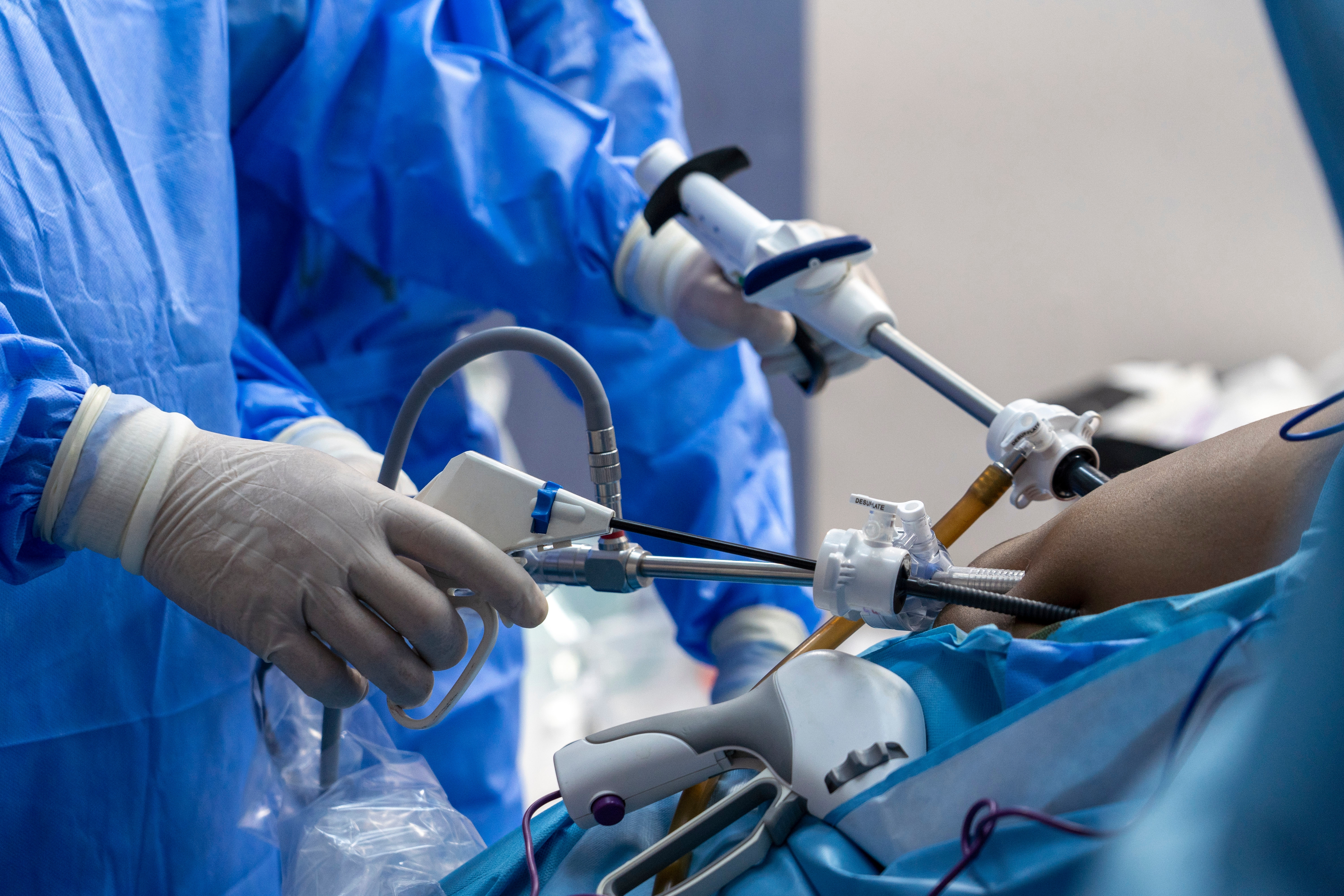
That’s the type of signal administrators care about because it connects closure method to both time and outcomes.
Device Features That Support a Repeatable Closure Step
The CrossBow Fascial Closure System incorporates proprietary technology where workflow is described as:
A port guide inserted into the incision that can maintain pneumoperitoneum
A suture passer advanced under direct laparoscopic vision, capturing fascia and peritoneum and passing through an extended snare loop for retrieval
In a 7-patient evaluation utilizing the snare loop technology, mean closure time was 67 seconds (range 45–96 seconds) with uniform, symmetric stitch placement noted.
A Practical, Evidence-Based Closure Checklist for Teams
Use this as a “minimum standard” conversation between surgeons, service line leaders, and materials teams.
Define when closure is mandatory: Build policy around closing fascia for ≥10 mm ports and document exceptions (if any) by service line.
Specify visualization expectations: Prefer closure methods that support endoscopic visualization and, when applicable, help maintain pneumoperitoneum during the closure step.
Reduce variability in fascial capture: Standardize on guided techniques/tools when hand suturing becomes inconsistent or slow, especially in deeper abdominal walls and long cases.
Address post-op pain tradeoffs with bite control: Sutures that capture excessive fascial tissue risk entrapping sensory nerve fibers, a recognized source of postoperative neuropathic pain at port sites. CrossBow guide indicators allow teams to adjust bite depth to the fascial and peritoneal layers based on tissue quality.
Turning Evidence Into a Port-Closure Protocol
For a quick look at each protocol element and the evidence behind why this matters, review the following:
Protocol Element | What the Evidence Summary Supports | Why It Matters in Practice |
|---|---|---|
Close fascia for ≥10 mm ports | General consensus to close ≥10 mm due to increased risk | Reduces variation between surgeons and service lines |
Treat 12 mm “non-closure” as high risk | 12 mm open vs closed: 5.2% vs 0.10% in one cited study | Keeps “one missed closure” from becoming a preventable downstream event |
Use guided/visualized closure when feasible | Guide-assisted closure: ~half the time; lower complications reported in one comparison | Less closure variability; fewer delays at the end of the case |
Maintain visualization/pneumoperitoneum during closure | Port guide maintains pneumoperitoneum; closure under direct vision in the white paper workflow | Better confidence in what’s captured and avoided |
Adjust bite based on tissue quality | Balances closure security with patient comfort considerations |
Where Suture Ease Fits in an Evidence-Based Strategy
An evidence-based protocol still has to work in real cases. The Suture Ease portfolio is built around two practical requirements shown across the literature summary and the white paper workflow:
Guided capture and snare-loop retrieval to reduce the “extra instrument” problem and support repeatable suture retrieval mechanics (the snare-loop concept is described as a differentiator in the literature overview).
Under-vision closure workflows (described in the white paper technique) to bring closure back under laparoscopic control, rather than relying on feel alone.
Bite adjustability via CrossBow indicators to tailor bite size to tissue quality and pain considerations described in the overview.
Want to align your trocar site hernia prevention protocol with a guided, repeatable closure workflow? Contact us for more information to discuss CrossBow and LongBow fit by service line, port sizes, and patient mix.


Comments