
FAQ: Can You Use the Suture Ease Device to Place the "Figure-of-Eight" Stitch?
Surgeons often ask which fascial suture technique works best with the Suture Ease closure system. The figure-of-eight stitch remains popular for its strength across many types of abdominal closures. The following section answers that question and explains how the technique applies to your cases.
You want a device that adapts to the stitch pattern your training and experience favor most. Suture Ease supports a modified approach that mirrors the strength surgeons expect from this technique. Below, you will find a clear answer along with the reasoning behind it.
Why Surgeons Choose This Fascial Suture Technique
Many surgeons favor the figure-of-eight pattern because it spreads tension across a wider area of fascia. Securing each stitch with reliable knot-tying technique also affects how well the closure holds under tension. Surgeons trained in open procedures often carry this preference into laparoscopic and robotic cases.
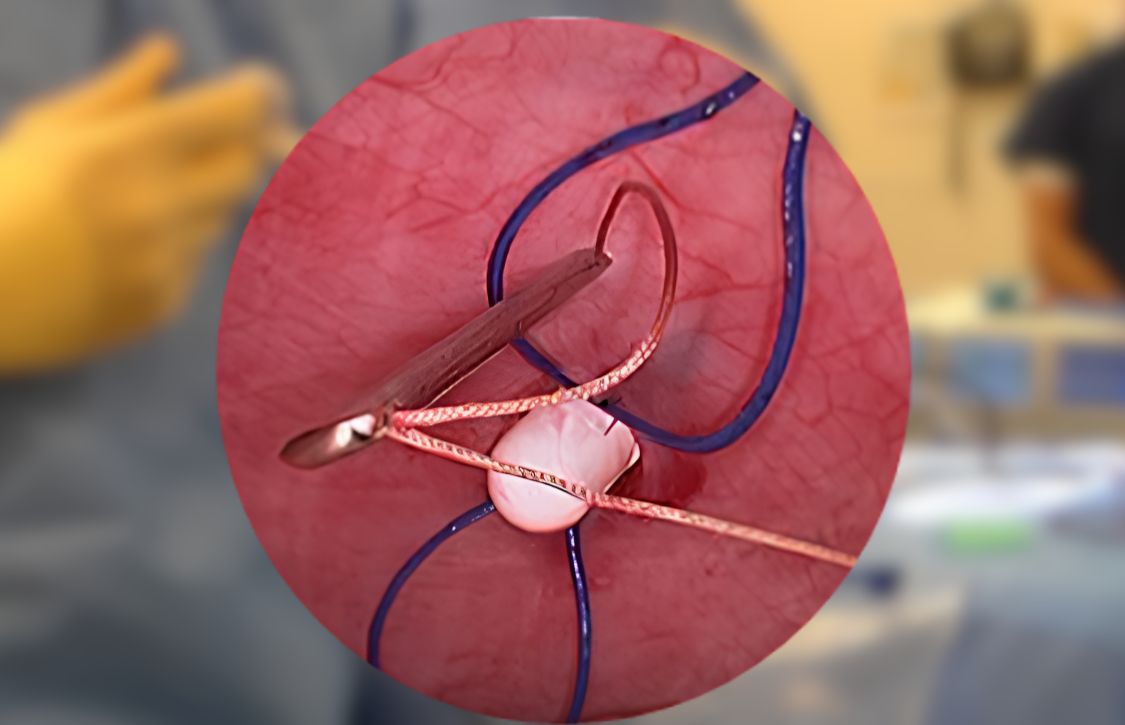
A single straight stitch concentrates force along one narrow line through the fascia. Weaker or thinner tissue sometimes fails under that concentrated pressure during the recovery period. Furthermore, a modified figure-of-eight fascial suture technique offers similar tension distribution without requiring a single continuous pass.
Surgeons place two separate stitches instead of weaving one long stitch through the tissue. Each stitch still crosses the defect at a controlled, predictable angle every single time. Such an approach gives surgeons the strength benefits they associate with the traditional pattern.
Suture Ease built its guide system specifically to support this two-stitch technique reliably. As a result, surgeons gain a stronger closure without abandoning the training they already trust. Many surgical directors report smoother adoption when new devices support familiar stitch patterns like this one.
Can Suture Ease Place a True Figure-of-Eight Stitch?
Suture Ease can create a modified figure-of-eight pattern using two separate, perpendicular stitches as part of this fascial suture technique. The technique places one stitch across the defect, then a second stitch running perpendicular to it. Together, the two stitches distribute tension the same way a traditional figure-eight stitch does.
How the Modified Technique Works in Practice
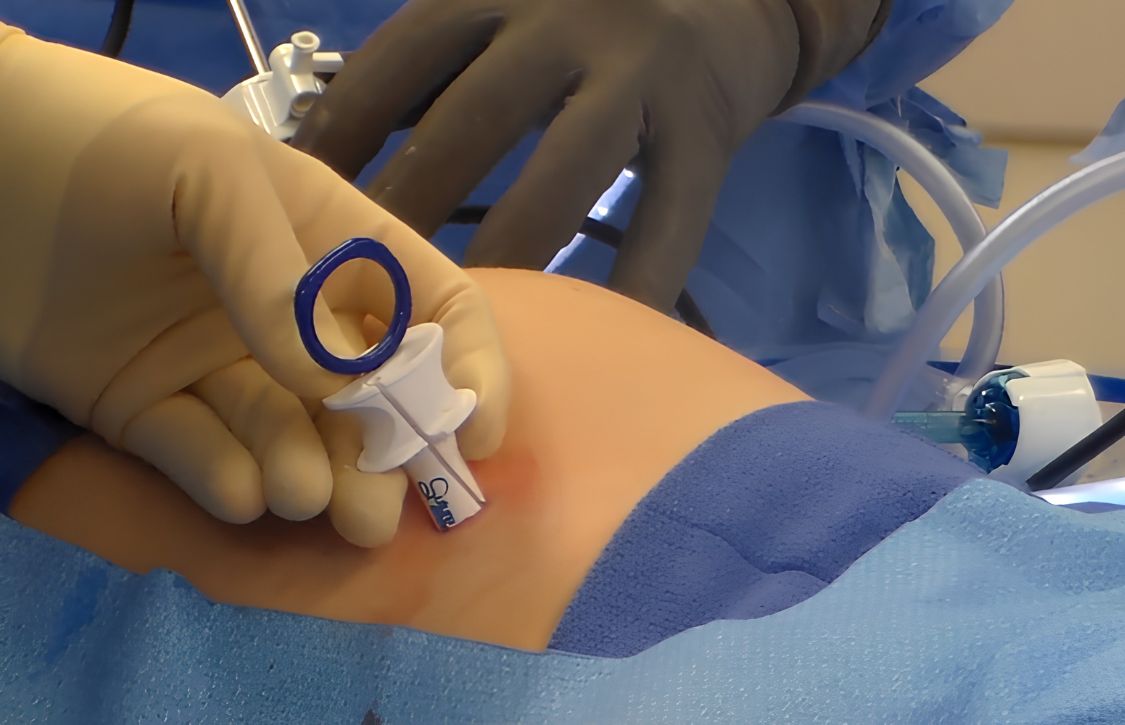
Surgeons using Suture Ease begin by placing the first stitch across the fascial defect as usual. The port guide holds position while the surgeon passes suture through both sides of the fascia. Once the first stitch sits in place, the surgeon rotates the guide for the second pass with a different colored suture, which crosses the first at a perpendicular angle to complete the modified pattern. All four suture tails are captured by the snare loops and retrieved from the site.
The sequence takes only slightly longer than a single stitch closure in most cases.
The same port guide and suture passer used for standard closures apply here as well, with no additional instruments or specialized suture materials required.
Suture Ease plans to share step-by-step images and video resources for this technique soon.
Surgeons can begin practicing the rotation step during slower cases or training sessions today.
Building Team Comfort With the Technique
Surgeons new to the modified figure-of-eight pattern benefit from practicing on a training model first. A short practice session helps staff understand the rotation step between the two stitches, and most surgeons feel confident after only a few repetitions.
Sharing this fascial suture technique across your surgical team keeps closure quality steady from case to case.
Surgical directors can build this technique into existing training programs without major schedule changes, since staff already familiar with the standard Suture Ease workflow adapt quickly to the modified version.
The learning curve stays short because the underlying device and motion remain the same.
Many surgical programs pair this rotation with a brief refresher course once a year to keep the technique sharp.
Suture Ease remains available to support your team through this transition step by step. Reach out with questions as your surgeons begin practicing the technique in real cases.
Ready to Learn More About This Fascial Suture Technique?
The modified figure-of-eight approach gives surgeons a familiar, trusted stitch pattern using the Suture Ease system. Two perpendicular stitches distribute tension the same way a traditional figure-eight closure does. Your team can adopt this fascial suture technique without new tools or major workflow changes.
Suture Ease continues developing resources, including images and videos, to support this specific technique. Surgical teams interested in early access can connect directly with our clinical support staff. Contact Suture Ease today to ask questions about the modified figure-of-eight stitch technique.


Comments