
Replace Your Carter Thomason–Style Device: Why Every Robotic Suite Needs an Efficient Fascial Closure Device
Carter Thomason devices have served surgeons for years as a standard fascial closure tool. Many robotic suites now search for a Carter Thomason replacement built for modern surgical demands. Newer devices promise faster closure times without sacrificing safety or stitch placement quality.
You want a device that fits smoothly into your existing robotic workflow and staff training. Hospitals switching away from Carter Thomason-style devices report smoother turnovers and shorter case times. Below, you will find the value proposition driving this shift across busy robotic suites nationwide.
Why Hospitals Are Replacing Carter Thomason Devices
Carter Thomason devices rely on a cone and needle system that some surgeons find cumbersome. Retrieving suture with a separate instrument adds extra steps to every single closure. Surgeons juggling a full robotic schedule need a device that moves at a faster pace.
Newer fascial closure devices use snare loop technology to retrieve suture without added instruments. Such a design removes an entire step from the traditional Carter Thomason closure process.
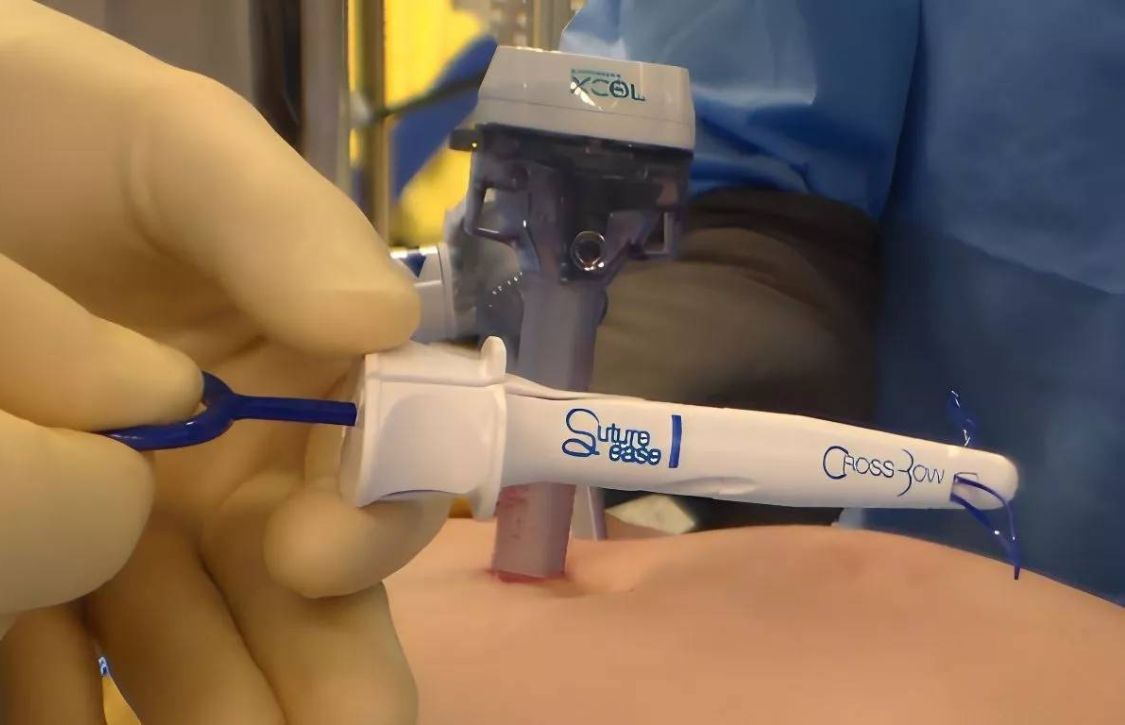
Meanwhile, hospitals report fewer complications after switching to guide-assisted devices with built-in retrieval mechanisms. According to a 2014 comparison study, a guide-assisted device produced a 2% complication rate, compared to 21% with hand suturing. Such a gap explains why many surgical directors now question their current closure protocol.
Surgeons value a device that performs the same way in every single case they handle. A Carter Thomason replacement should deliver that same reliability while cutting down total closure time. For instance, hospitals adopting newer devices often standardize instrument trays across every operating room they run. Such standardization reduces sterile processing workload while keeping every surgical team ready for the next case.
The Economics Behind Efficient Fascial Closure
Personnel expenses represent one of the largest operational costs across most modern hospital systems. Surgeons rank among the most highly compensated and time-constrained resources inside any operating room. Optimizing surgeon time, therefore, creates meaningful gains in productivity and resource use across the hospital.
When a device simplifies procedural tasks while delivering repeatable results, workflow opportunities begin to open up. Standardized, simplified tasks can then shift to physician assistants or first assistants during surgery.
Such delegation helps hospitals improve efficiency and reduce overall costs tied to surgeon time. As a result, closure device choice becomes a financial decision as much as a clinical one. Hospitals that streamline fascial closure free up surgeon time for higher-value procedures.
Suture Ease CrossBow technology was designed around this exact value proposition for busy surgical teams. The device simplifies fascial closure while supporting reliable, repeatable outcomes across every case performed.
Additionally, hospitals that adopt this approach often see improved morale among their surgical staff members. Surgeons appreciate spending more time on complex tasks instead of routine Carter Thomason closure work.
What Makes a True Carter Thomason Replacement
A true Carter Thomason replacement needs more than a new shape or a new color. It needs a fundamentally different mechanism that removes steps from the closure process itself. Snare loop technology accomplishes exactly that by retrieving suture without extra grasping tools. Surgeons switching devices also want adjustable fascial bite for patients with different tissue types. A device with built-in bite indicators lets surgeons tailor closure to each patient they treat.
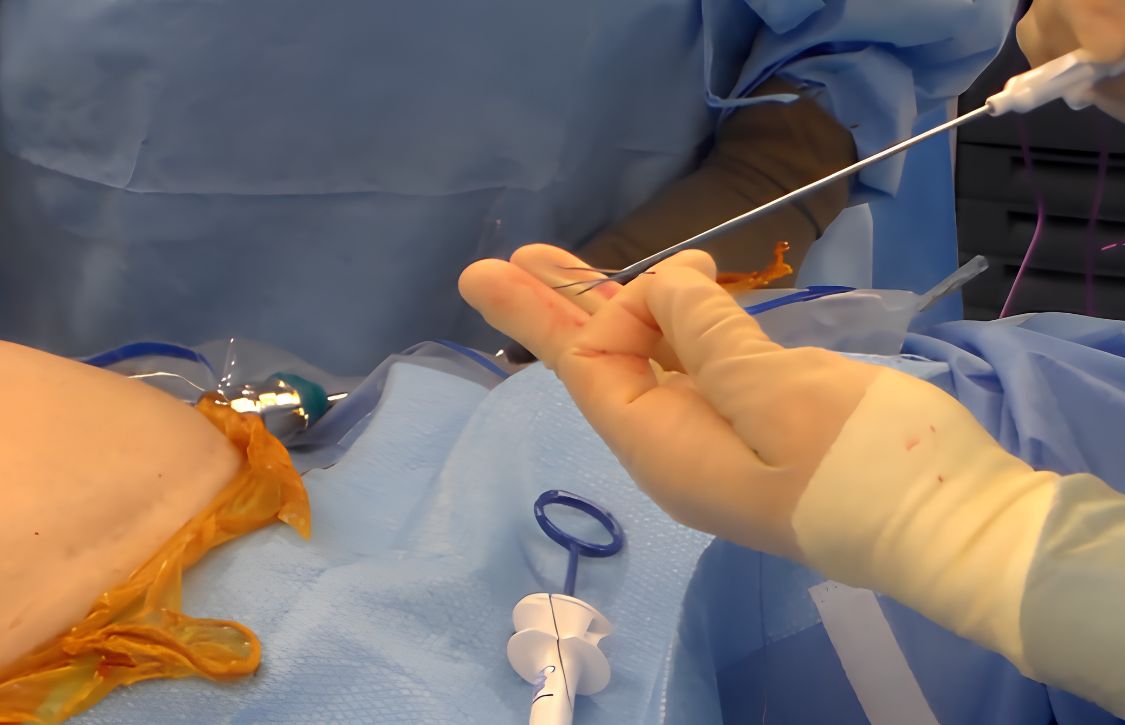
Hospitals adopting the CrossBow report smoother transitions from Carter Thomason devices than expected going in. Staff typically need only minimal training before running the new device with confidence. Case carts also become simpler once teams standardize around a single closure device.
Choosing the right replacement device therefore affects your staff training, your case times, and your costs. Suture Ease built the CrossBow to meet every one of those requirements at once. For example, surgical directors report faster staff buy-in when the new device feels familiar to use. Such familiarity shortens the transition period and keeps case volume steady during the entire switch.
Supporting Your Transition
Switching closure devices does not need to disrupt your surgical schedule or staff confidence. Suture Ease provides training resources that help teams feel comfortable within just a few cases. Your surgical directors can plan the transition around slower days or lighter caseloads ahead of time.
Clinical specialists walk your team through proper device setup, suture loading, and closure technique. Such hands-on guidance shortens the learning curve compared to a self-guided transition process.
Furthermore, hospitals can request in-service sessions timed around new equipment deliveries and staff schedules. Surgeons benefit from a faster, more predictable closure sequence before running full caseloads with the new device. Support does not end once training wraps up after the initial equipment rollout concludes.
Ongoing support keeps your team confident as case volume grows across your robotic surgery program. Suture Ease remains available for questions long after your initial device rollout ends completely.
In short, a smooth transition protects your case volume while upgrading your closure technology. Your team gains a dependable Carter Thomason replacement without losing momentum in the operating room.
Ready to Move Beyond Carter Thomason?
Hospitals across the country are rethinking fascial closure as robotic surgery volume continues to grow. A true Carter Thomason replacement should save time, reduce complications, and support your surgical teams. The CrossBow was designed around that exact value proposition for modern robotic suites.
Suture Ease can walk your team through the transition, from device training to case cart setup. Your surgeons deserve a closure device built for the pace of modern robotic surgery. Reach out to Suture Ease to see how the CrossBow fits your operating rooms.


Comments