
Transitioning to a Semi-Automated Suture Passer System for Your Practice
A suture passer system can change how your surgical team approaches fascial closure every day. Semi-automated devices remove several manual steps that slow down traditional hand suturing methods. Many practices now consider this shift as robotic and laparoscopic case volume continues climbing.
You want a transition plan that protects your surgical schedule and staff confidence throughout. Suture passer systems reduce reliance on separate retrieval instruments during every single closure. Below, you will find a clear path for bringing this technology into your practice.
Why Practices Are Moving Toward a Suture Passer System
Traditional hand suturing requires surgeons to place, retrieve, and tie sutures using separate steps each time. Each step adds time and introduces room for inconsistent stitch placement across a case. A suture passer system consolidates several of those steps into one guided motion.
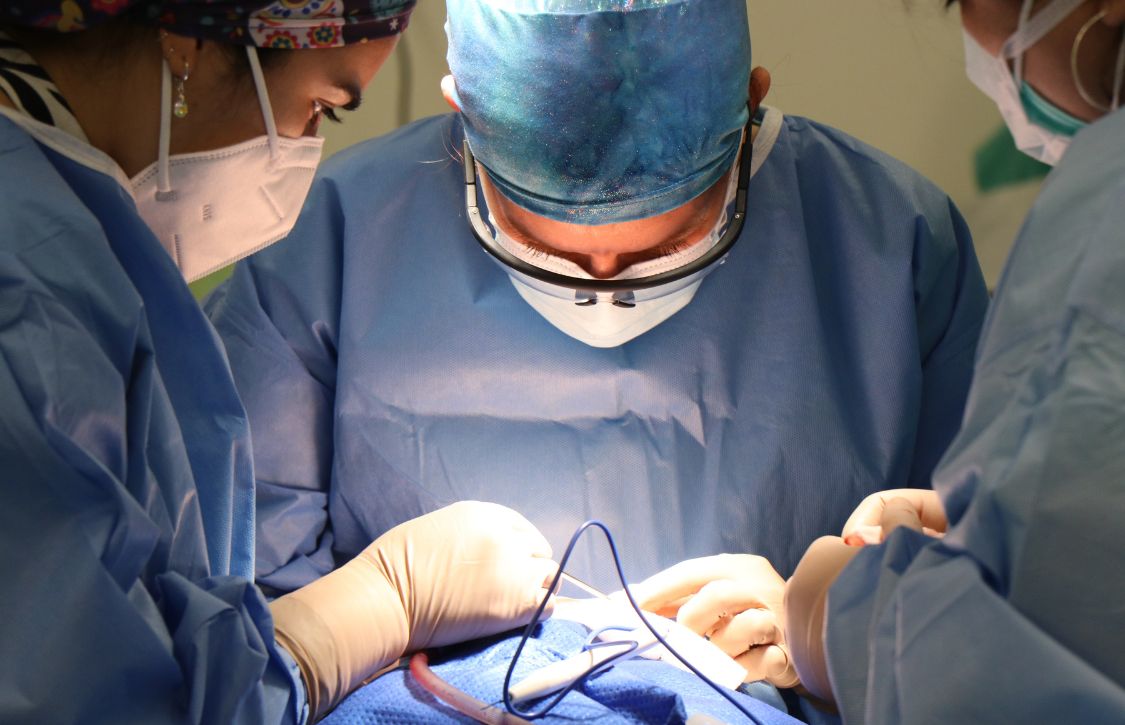
Surgeons juggling packed robotic schedules need every efficiency gain they can find during the day. Shaving even a minute off each closure adds up across a full surgical calendar. Furthermore, guide-assisted devices retrieve suture without requiring a second grasping instrument during the case. Such a design reduces instrument exchanges and keeps the surgeon focused on the closure itself. Fewer exchanges also mean fewer chances for dropped instruments or delayed turnover between cases.
Practices adopting a suture passer system often report shorter closure times almost immediately after rollout. Staff also appreciate a device that behaves the same way in every single case. In turn, hospitals see steadier turnover times across busy surgical days with multiple robotic cases. Surgical directors often cite this steadiness as a key reason for making the switch.
Planning Your Transition to a New Suture Passer System
A well-planned transition benefits from the same standardization mindset behind other O.R. efficiency tools already used in your department. First, know that moving to a new suture passer system does not have to disrupt your surgical schedule or strain your staff. Instead, a clear plan built around a few key steps keeps the rollout smooth for everyone involved.
Start with champions. First, test the new system on lower-risk cases to catch training gaps early.
Time it well. Next, plan the switch during slower weeks so staff can adjust without extra pressure.
Keep backup gear ready. Meanwhile, keep both devices on hand briefly before retiring the old one.
Talk to everyone involved. Also, share a clear timeline with surgeons and staff well ahead of time.
Show the progress. Finally, track the rollout with something simple, like a break room countdown calendar.
Overall, none of these steps need extra budget or special skills to put in place. As a result, practices that follow a plan like this often see a shorter adjustment period and steadier case volume during the switch. In the end, the change is one your team barely notices, even though the device itself is new.
What to Expect From Staff Training on the New System
Most surgeons need only a few practice cases before feeling comfortable with a new suture passer system. Training typically covers suture loading, guide positioning, and the retrieval mechanism specific to the device.
Hands-on practice on a training model builds confidence before the first live case begins. Nurses and surgical technicians also need training on setup and instrument care for the new device. Their familiarity with the system supports faster turnover time between back-to-back cases.
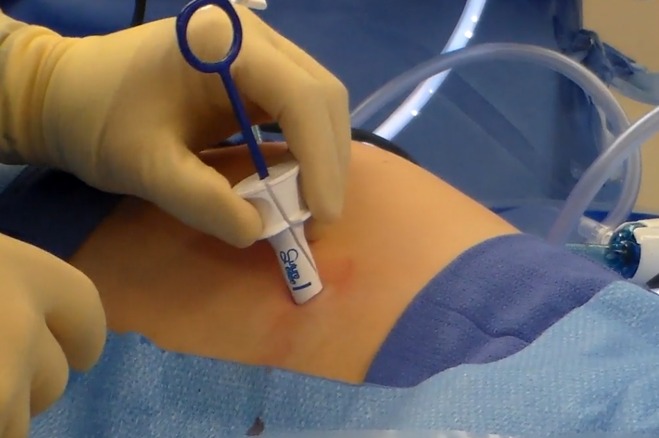
As a result, most practices report a short learning curve compared to more complex equipment changes. Surgeons who already use guide-assisted devices adapt especially quickly to newer suture passer systems. Ongoing refresher sessions help keep skills sharp even months after the initial rollout ends.
Suture Ease provides training resources and clinical support throughout every stage of this entire process. Your team can reach out with questions at any point during the transition. Overall, structured training turns a new suture passer system into a routine part of daily practice. Staff confidence grows quickly once the device becomes part of everyday surgical rhythm.
Measuring Results After Your Suture Passer System Transition
Tracking results after a transition helps your practice confirm that the new device delivers real value. Compare closure times, complication rates, and staff feedback before and after the switch, since patient outcomes matter just as much as speed when evaluating a new suture passer system. Fewer complications alongside faster closure times signal a transition that truly delivers value, giving surgical directors clear evidence to share with hospital leadership.
Many practices review these numbers quarterly to confirm the device continues meeting expectations, adjusting training or protocols if any metric trends in the wrong direction. Suture Ease can help your practice track these outcomes and benchmark them against other similar programs, so measurement becomes a program of continuous improvement rather than a one-time check. Your team gains lasting confidence knowing the data supports the change they made together.
Ready to Modernize Your Closure Technique?
A suture passer system gives your practice a faster, more dependable path to fascial closure. Surgeons gain a device that behaves the same way across every case they perform. Staff benefit from simpler training and fewer instrument exchanges during busy surgical days.
Suture Ease supports practices through every step of adopting a new suture passer system. Our clinical team can help you plan a transition that fits your schedule and staff. Reach out to Suture Ease today to start planning your transition with our clinical team.


Comments