
The Durability and Precision of Modern Minimally Invasive Instruments
Laparoscopic surgery has fundamentally changed how surgeons tackle complex procedures. Minimally invasive instruments are the backbone of this shift, enabling surgeons to operate through small incisions with greater control. As surgical techniques advance, the demand for durable, precise instruments continues to grow. This need is especially relevant in fascial closure, a step that carries direct consequences for patient recovery. When the right tools are matched to the right technique, surgeons gain a meaningful advantage in limiting complications.
Why Modern Minimally Invasive Instruments' Quality Defines Surgical Outcomes
The quality of surgical instruments directly shapes procedural success. Instruments built with exacting standards minimize the risk of mechanical drift during critical steps. They also provide surgeons with consistent control throughout each case. In laparoscopic surgery, where limited visibility and constrained working space create challenges, surgeons value this level of control greatly.
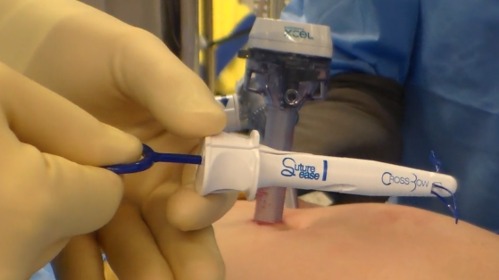
High-quality laparoscopic tools undergo rigorous stress and sterilization testing before clinical use. These evaluations verify dependability through repeated cycles without failure. OR teams rely on this consistency to execute cases efficiently and with minimal interruption.
The materials used in instrument construction also affect behavior in the field. Biocompatible, high-tolerance alloys maintain dimensional integrity through varied tissue depths and body wall thicknesses. Proper material selection is a foundational element of durable instrument design. Without it, even well-designed instruments can underperform in demanding anatomical situations.
The Science of Precision in Fascial Closure
Fascial closure is one of the most technique-sensitive steps in a laparoscopic procedure. Sutures must pass accurately through the fascia to achieve a strong, lasting result. Inaccurate positioning risks tissue entrapment, nerve involvement, or inadequate approximation of wound edges.
Fascia-directed placement of fascial closure sutures offers a more targeted method. Rather than relying on tactile estimation alone, it guides suture delivery to the appropriate tissue layer. Research suggests this approach may lower postoperative discomfort and reduce incisional hernia rates in bariatric surgical patients. Sound tissue approximation leads to stronger structural integrity at the port site.
The following factors are critical when evaluating a fascial closure instrument for precision:
Suture placement depth control and adjustability
Needle shaft stiffness to resist bending during tissue passage
Suture retrieval consistency to prevent incomplete capture
Modern Minimally Invasive Instruments: Durability That Withstands Surgical Demands
Durability is not a secondary consideration in instrument design. It is a patient safety concern. An instrument that bends, misfires, or loses structural integrity mid-procedure introduces avoidable risk. Surgeons need tools that behave predictably from the first pass to the last.
Modern fascial closure devices are engineered with reinforced needle shafts and structured suture capture mechanisms. These features limit susceptibility to deformation under the lateral forces encountered during fascial passage. Uniform mechanical behavior across all units in a product line is equally important. Variability between devices can produce erratic performance during closure.
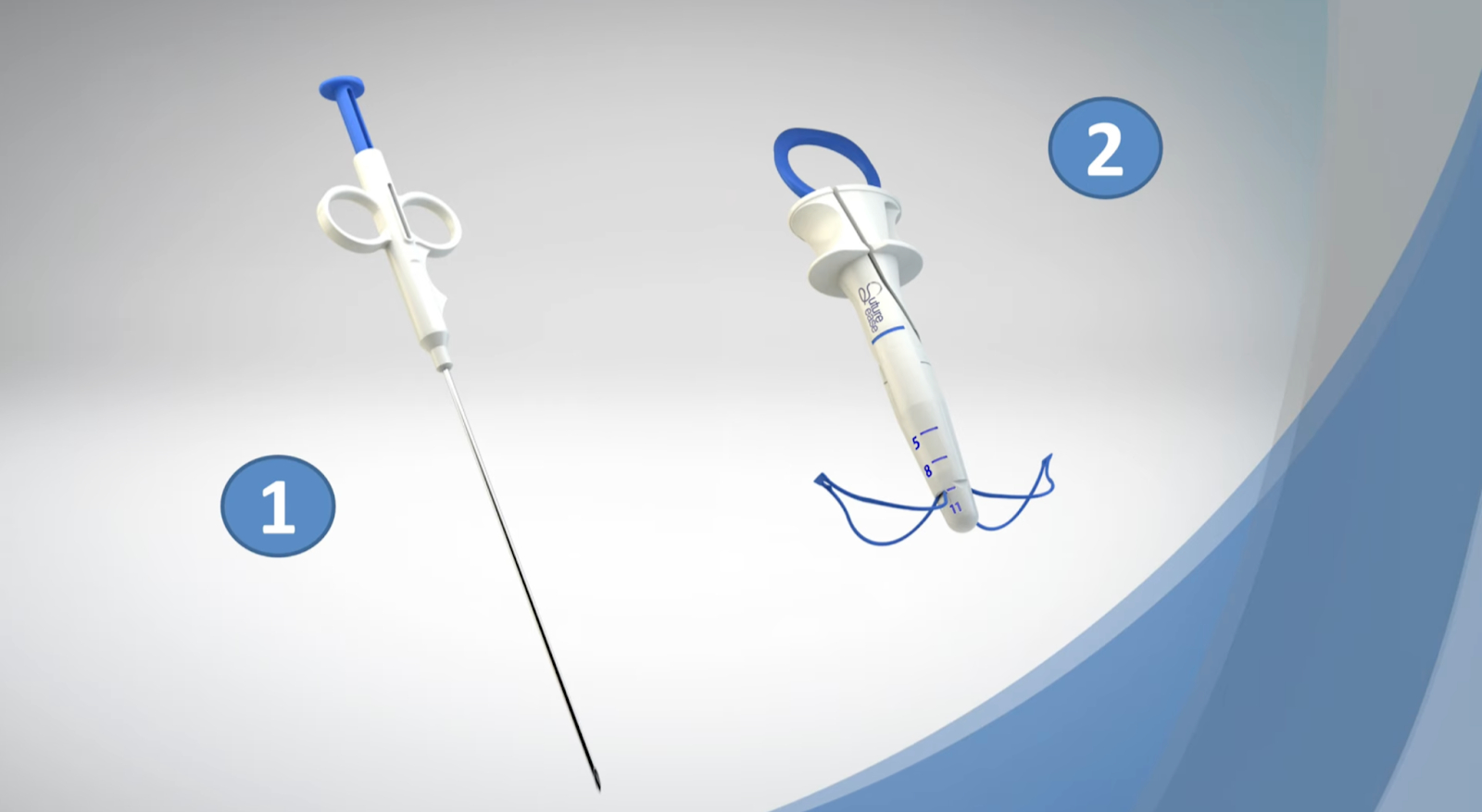
Manufacturers subject instruments to mechanical endurance evaluations. These assessments simulate real OR conditions, including pressure, torque, and repetitive use. Tools that meet these standards offer OR teams a more dependable reliability profile. Investing in well-engineered instruments ultimately lowers the likelihood of device failure at a pivotal point in the case.
Fascia-Directed Suture Placement and Patient Outcomes
The way sutures interact with fascial tissue has measurable downstream effects on comfort and recovery. Traditional closure methods that involve surrounding soft tissue or inadvertently engaging nerves have been linked to elevated postoperative pain. The iliohypogastric and ilioinguinal nerves run in close proximity to common port-site locations in the lower abdomen. Sutures that are tied too tightly can cause localized tissue ischemia (lack of blood flow) or necrosis, triggering pain signals. making imprecise suture placement a recognized source of both acute and chronic port-site discomfort.
Fascia-directed techniques address elevated postoperative pain at the source. Sutures placed cleanly with prescribed margins minimize unintended nerve contact. This strategy supports tissue approximation without unnecessary tension on adjacent structures. When executed properly, it can decrease both acute pain and the risk of chronic discomfort after port site closure. That has measurable implications for patient satisfaction and surgical efficiency.
Equipping Your OR With Tools That Deliver
Precision and durability in fascial closure are not abstract ideals. They translate directly into measurable results for patients and efficiency for surgical teams. Suture Ease has developed a full line of fascial closure solutions. These devices are engineered to meet both standards across a wide range of laparoscopic procedures.
The CrossBow and LongBow systems leverage proprietary snare technology to enable reproducible, fascia-directed suture placement. The CrossBow has been deployed in over 150,000 procedures at leading hospitals across the United States. The LongBow extends this capability with an adjustable fascial bite. It accommodates a broader range of patient anatomies and port configurations. Together, these instruments offer surgical teams a straightforward alternative to conventional closure techniques.
Explore the CrossBow and LongBow, and request a product consultation with the Suture Ease team today.


Comments